The Art of Open Source Analysis.

Open the course preview (2 min 9 sec)

  • Approximately 14Hours of video tutorials
  • 72Lessons
  • 11Modules

Alongside the self-paced video tutorials, allow 4–6 hours for practical investigation work, including a full six-image pattern investigation.

Turn an online claim into a finding you can support.

For journalists, researchers and the digitally curious. Learn open source intelligence (OSINT) the way I do it on real investigations, then try it yourself and check your reasoning against my walkthrough.

What you’ll learn

Real clues.
Your next question.

Work out where and when something happened, follow the links between sources and keep a record another investigator can check.

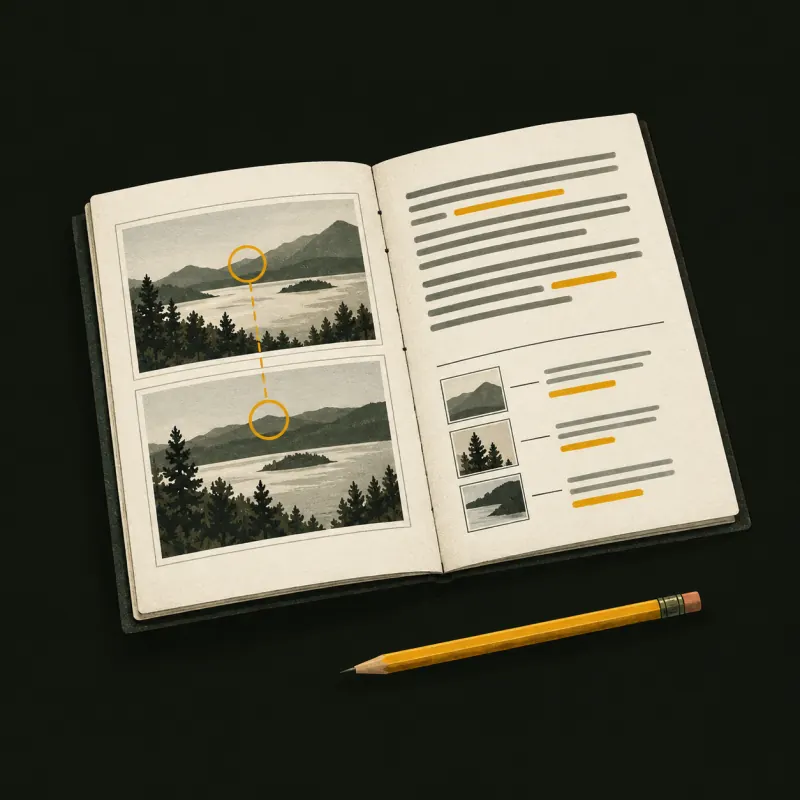
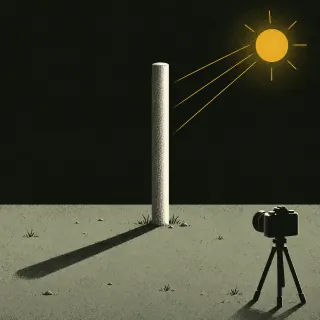
An open notebook comparing landscape featuresSunlight casting a shadow from a postGEOLOCATION & CHRONOLOCATION

Where and when did this happen?

Use visual analysis to spot clues in photos, videos and satellite imagery. Match landmarks and road layouts to maps to test a location. Compare shadows and changes in the scene with dated sources to narrow down when it happened.

Illustrated aircraft and company research recordsMOVEMENT & IDENTITY

What can you connect?

Trace aircraft and ships through ownership and sanctions records. I’ll show you how to write up your findings in verification notes and illustrate the connections with annotated visuals and maps.

Source documents organised in labelled foldersRUNNING AN INVESTIGATION

How do you run an investigation?

Set up a safe research workspace, protect privacy and use an investigation checklist to plan your checks. Build a simple evidence database so you can trace your findings and a teammate can review or continue your work.

Inside the course

From your first find
to a full investigation.

A guided path through the methods, with an independent investigation to bring them together.

Watch. Try. Review.

Follow the demonstration, make your own attempt, then use the walkthrough to review and revise your findings.

Modules 0–10
00Start here

Turn curiosity into an investigation question, make your first find and save a record you can return to.

01Safety and ethics

Build a proportionate research setup, use researcher accounts responsibly, protect privacy and consider potential harm before you begin.

02Search and collect

Search across websites, platforms and languages. Recover changed pages, preserve useful material and keep a research trail you can follow.

03Verify images and video

Separate the claims, examine context and metadata, reverse-search images, trace source history and assess possible manipulation or synthetic content.

04Geolocation

Read visible clues, develop candidate locations and test them against maps and reference imagery. Check AI-generated leads and report the location the evidence supports.

05Chronolocation

Investigate when something happened using reporting, visual clues, sun position, satellite imagery and fire-detection records. Keep upload time and event time separate.

06Satellite imagery and change detection

Choose imagery for a question, connect located views and compare a site over time. Combine the sources into a finding that makes their limits clear.

07Movement, asset identity and roles

Research aircraft and vessels through visible features, registrations, movement records and ownership information. Distinguish the object, its owner and its operator.

08Writing and presenting your findings

Write clear findings, make explanatory graphics and use maps to help someone else understand your evidence and reasoning.

09Your independent investigation

Investigate a set of photographs and a caption independently, then use the visual walkthrough and review criteria to revise your findings.

10What next?

Explore subjects you could investigate, ways to share useful work and settings where these skills can contribute.

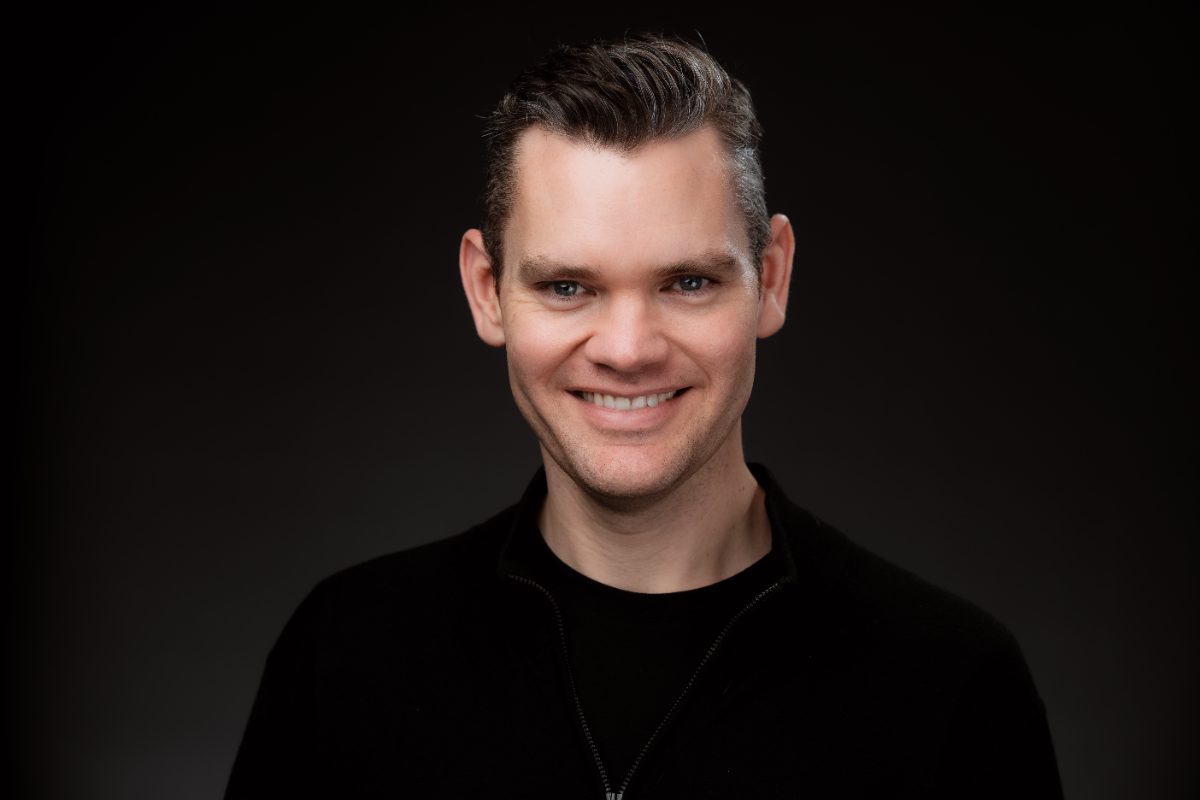
Benjamin Strick

Your instructor

“The course I wish I had
when I started.”

Over the past decade, I’ve trained thousands of people to use open source intelligence techniques, from checking a claim to investigating events using multiple sources.

I’ve worked with international news organisations and NGOs to investigate conflict, grow innovative OSINT techniques, document wrongdoing and challenge disinformation, combining good analysis with automation to work at scale.

Benjamin Strick · Open source investigator and educator

Put the methods into practice

Build your own
investigation.

Leave with an organised research record, annotated comparisons and findings you’ve reviewed and revised. A process of analysis, OSINT techniques and methods you can return to as the tools change.

Clear research notesVisual evidenceFindings you can explain

The Art of Open Source Analysis

  • About 14 hours of video tutorials across 72 lessons in 11 modules
  • Manage an investigation by planning your checks, keeping a source log and writing up your findings
  • Practical exercises and research materials
  • Workbook and editable worksheets
  • Independent investigation and walkthrough
  • Guidance on writing, graphics and maps

£299

Shown in your local currency at checkout. Local sales tax may be added at checkout.
Start the course now

Payment and course access through Thinkific.
Full refund within 14 days if you’ve opened fewer than 20% of the lessons. Terms apply.
Terms of Use · Privacy Policy

Can’t afford the course?

I set aside a limited number of bursary places each month at a significantly reduced price, for journalists, researchers and students who couldn’t otherwise take the course. Tell me a little about your work and why you want to learn, and I’ll reply within a week.

Apply for a bursary place

Group orders

If you’re buying course places for colleagues or students, tell me how many people you’d like to sign up.

See team prices

For teams, newsrooms and universities

Train your team together.

Every place gets the full course, including the workbook, the casework and the certificate. You get one invoice, and you can see each person's progress. Teams of 10 or more also get a live session with me.

5–9 places

£269.10per person

10% off the £299 price

  • The full course for each person
  • Pay by invoice or card
  • Progress tracking for the team lead

10–24 places

£254.15per person

15% off the £299 price

  • Everything in 5–9
  • A live 60-minute Q&A with me for your team
  • Help choosing which modules to start with

25+ places

£239.20per person

20% off the £299 price

  • Everything in 10–24
  • A completion report for your manager or funder
  • Places you can move to new starters

Universities and student groups

£224.25per student

25% off the £299 price

  • For a module, a lab or a student society
  • Includes a guest session with me, in person or online
  • For 20 or more students, arranged by invoice: ask for a quote below
  • Purchase orders and supplier forms welcome

Need something bigger? I also offer organisation licences with a live workshop and a case module built around your region or sector. Prices exclude VAT where it applies.

Ask for a quote or invoice

The Art of Open Source Analysis

Group order enquiry

If you’re buying places for colleagues or students, tell me a little about your group.

I’ll reply by email with pricing and next steps.

Close
Team enquiry privacy

I only use what you send here to reply about places for your group. Formspree passes your enquiry to the course inbox (Gmail), and Cloudflare Turnstile checks it isn’t spam. I delete enquiries 12 months after my last reply, unless they lead to an order. To see or delete yours, email artofopensourceanalysis@gmail.com. See the Privacy Policy for who handles your data and your rights, and Cloudflare’s Turnstile Privacy Addendum.

A few practical questions

Before you
get started.

When does the course start?

Whenever you like. There are no fixed dates or live sessions to attend. You get access straight after payment, and the course is self-paced, so you can start when it suits you and work through the lessons at your own speed. Pause after a module, come back to an exercise later or rewatch a lesson when you need it. Thinkific saves your progress as you go.

Do you offer bursaries?

Yes. A limited number of places are available each month at a significantly reduced price for people who couldn’t otherwise afford the course, especially independent and local journalists, researchers in lower-income countries and unfunded students. Email me a few lines about your work and why you want to learn, and I’ll reply within a week.

How long do I have access?

For as long as the course is offered on the site. If it’s ever withdrawn, you’ll get at least 30 days’ notice by email so you can finish it. You can watch in a web browser or the Thinkific mobile app.

Do I need previous experience?

No previous OSINT experience is needed. We start with a question, a first find and a simple record. If you already know some tools, the curriculum will help you judge how much is new to you.

How is this different from OSINT At Home?

OSINT At Home is my free YouTube series. Each video covers one technique. This course puts the methods in order, adds exercises, worksheets and real cases, and ends with an independent investigation you review against my walkthrough. If you’ve watched the videos and wondered what to do next, this is it.

What equipment and software do I need?

A laptop or desktop, a reliable internet connection and somewhere to keep your notes. Many core methods use free tools and public information. Some services require accounts or charge for particular features or historical data.

Will my exercises be marked or made public?

You can keep your work private. The course uses practical exercises, walkthroughs and self-review, rather than individual grading. Save your first attempt, then review and revise it.

Is there a certificate?

Yes. You’ll receive a certificate of completion when you finish the course. It shows you completed the lessons. The course uses self-review rather than individual grading, so it isn’t an accredited qualification.

Does the course include difficult footage?

Some lessons use conflict and human rights material that may be distressing. Researcher safety and managing exposure are part of the course. Take breaks and use alternative exercises where provided.